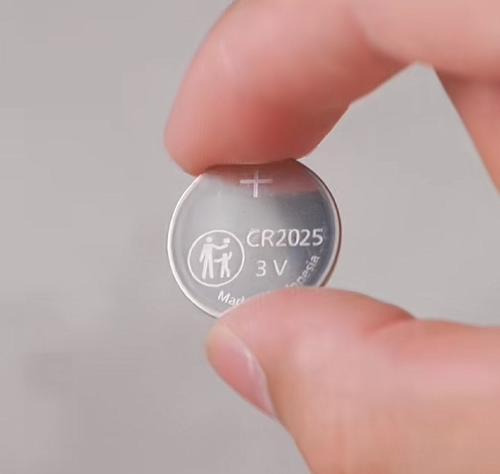
Button batteries are named for their resemblance to small buttons. Their diameters typically range from 4.8mm to 30mm, and their thicknesses are between 1.0mm and 7.7mm. As a battery category classified by shape, they are distinguished from cylindrical and prismatic batteries and are divided into rechargeable and non-rechargeable types. They are widely compatible with various small electronic devices. For producers of such products, CB certification is an important step to open up the global market.
The CB certification for button batteries is based on the IECEE-CB system, with the core reference being the IEC 62133 standard for small sealed batteries. Although this certification is voluntary, it is of great significance to producers laying out in the international market - its certification results can be recognized by more than 50 member countries around the world, providing a fundamental support for cross-regional compliance.
During the certification process, the testing scope comprehensively covers the core dimensions of product safety. In terms of electrical performance safety, the key indicators such as overcharge, overdischarge and short-circuit protection are the focus of verification. In terms of comprehensive performance, it takes into account both environmental adaptability and chemical safety requirements. Through systematic testing, the safety of button batteries in actual use is ensured, reducing the risk of equipment damage and safety accidents.

For manufacturers, the value of obtaining CB certification is particularly significant. Firstly, it can significantly simplify the local certification process in various countries. With the CB test report and certificate, there is no need to repeatedly conduct basic security tests. One can directly apply for certification qualifications in the target market, significantly shortening the market access cycle. Secondly, it can enhance the competitiveness of products. Products that have passed international standard certifications are more likely to gain consumers' trust and form a differentiated advantage among similar products.
If manufacturers have any questions about the testing details, application process or regional recognition rules of the CB certification for button batteries, they can further consult through professional service channels to prepare for the compliant export of their products.