For enterprises planning to introduce Bluetooth headphones to the Japanese market, TELEC certification is not an "option" but a "hard threshold" that must be crossed. This requirement is not an industry practice but a clear stipulation of Japan's Radio Wave Law - all equipment with wireless transmission functions can only legally enter the Japanese market after passing the TELEC certification.

From the perspective of actual operation, Bluetooth headphones without TELEC certification cannot pass through the Japanese customs in the first place and do not even have the qualification to enter the market. Even if they want to sell through e-commerce channels, mainstream platforms will still reject uncertified products. More importantly, if one attempts to "luckily break through" and enter the market, once caught by the regulatory authorities, the consequences will be far more serious than imagined: not only will all the sold products have to be recalled in full, bearing high recall costs, but also fines will have to be paid. Enterprises with serious circumstances may even be permanently banned from entering the Japanese market, and their years of market layout may be ruined in an instant.
However, obtaining TELEC certification does not mean one can rest easy. During the product sales stage, two details must be implemented: First, on both the product itself and its packaging, three core pieces of information - the TELEC logo and certification number, product model, and manufacturer's name - must be clearly marked. This not only facilitates the verification by regulatory authorities but also enables consumers to quickly identify compliant products, reducing subsequent disputes. Secondly, if any subsequent modifications to the product involving wireless performance are required, such as adjusting the transmission power or changing the antenna design, a new TELEC certification application must be made. Many enterprises tend to overlook this point, mistakenly believing that "one certification is valid for life". However, in reality, changing the wireless-related performance without re-certification will directly lead to the invalidation of the original certification, and the product will be equivalent to an "uncertified state", which in turn will affect normal sales.
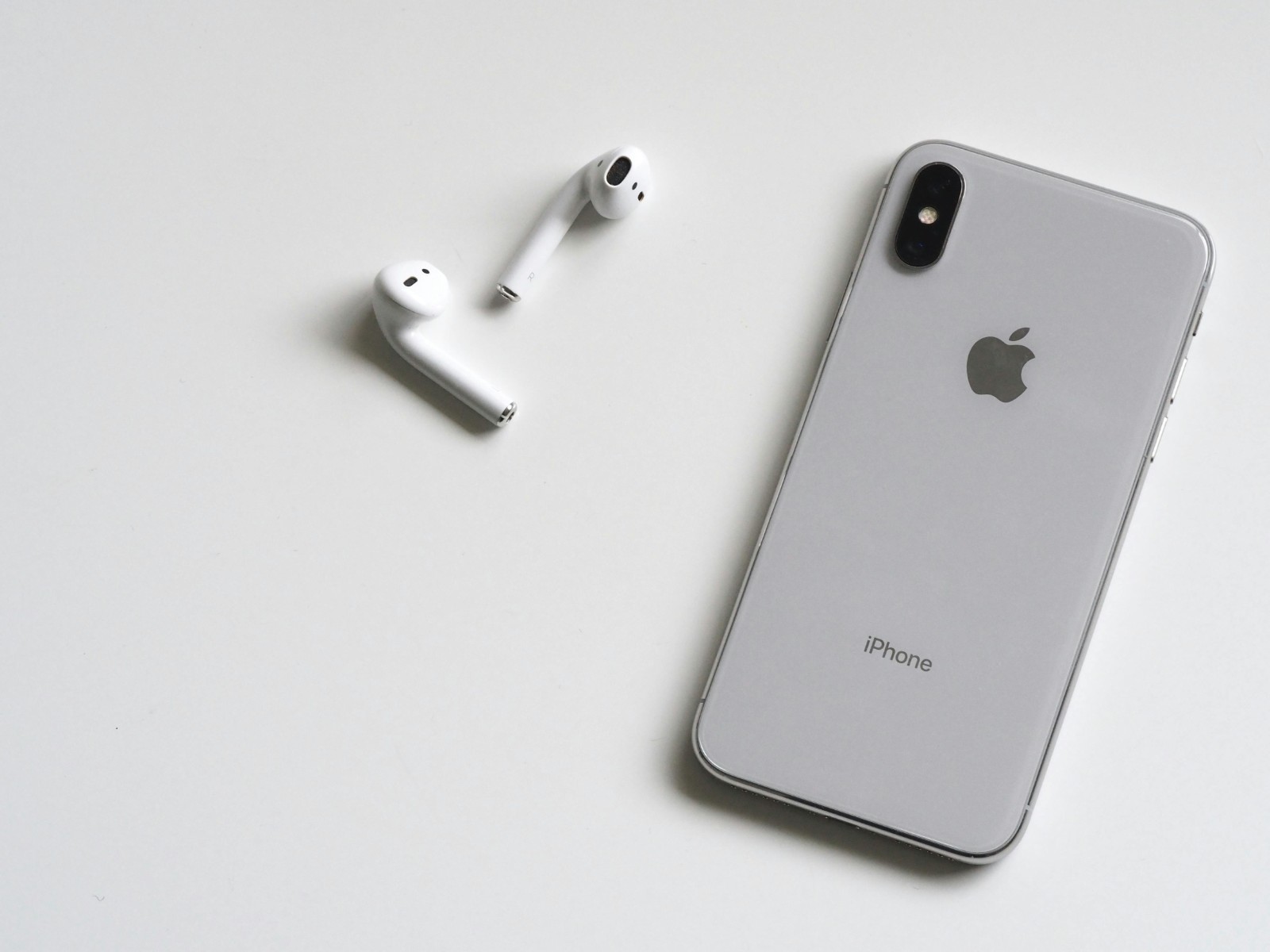
For Bluetooth headset enterprises exporting to Japan, TELEC certification is the "foundation" for compliant operation. From the application for certification to subsequent mark management and product modification, every step needs to be treated with rigor. This is not only a requirement to comply with Japanese law but also a key to safeguarding their own market rights and interests.