When buying a drone and seeing the "SRRC Certification" label, should one pay attention to it or not? Is it really impossible to sell drones without this certification? Many people get confused when facing this professional term. In fact, it's not that difficult to understand it. This article will start from the actual needs and explain the core information clearly.
First, let's clarify the most fundamental point: SRRC certification is a mandatory requirement of the state for radio equipment, and its full name is "China Radio Transmitting Equipment Type Approval Certification". Drones can be remotely controlled, transmit images and locate, all relying on wireless communication. Therefore, they must overcome this hurdle. Since 1999, all domestic devices with wireless functions must have this certification. After passing it, they will have a unique CMIIT ID, just like giving the device a "radio compliance ID card", and it must be printed in a prominent position on the product so that it can be seen at a glance.
For merchants, this is definitely a "hard threshold". Whether it's opening a store on Taobao or JD.com, or supplying goods to offline stores, the platform and channels will immediately ask for an SRRC certificate. Without it, the product won't even have the qualification to be listed. What is even more important to pay attention to is the legal risk. The "Regulations of the People's Republic of China on Radio Management" clearly states that uncertified radio equipment cannot be sold or used. Once discovered, the consequences can range from fines to product recalls, and the brand's reputation will also be affected. This loss is much higher than the cost of certification.
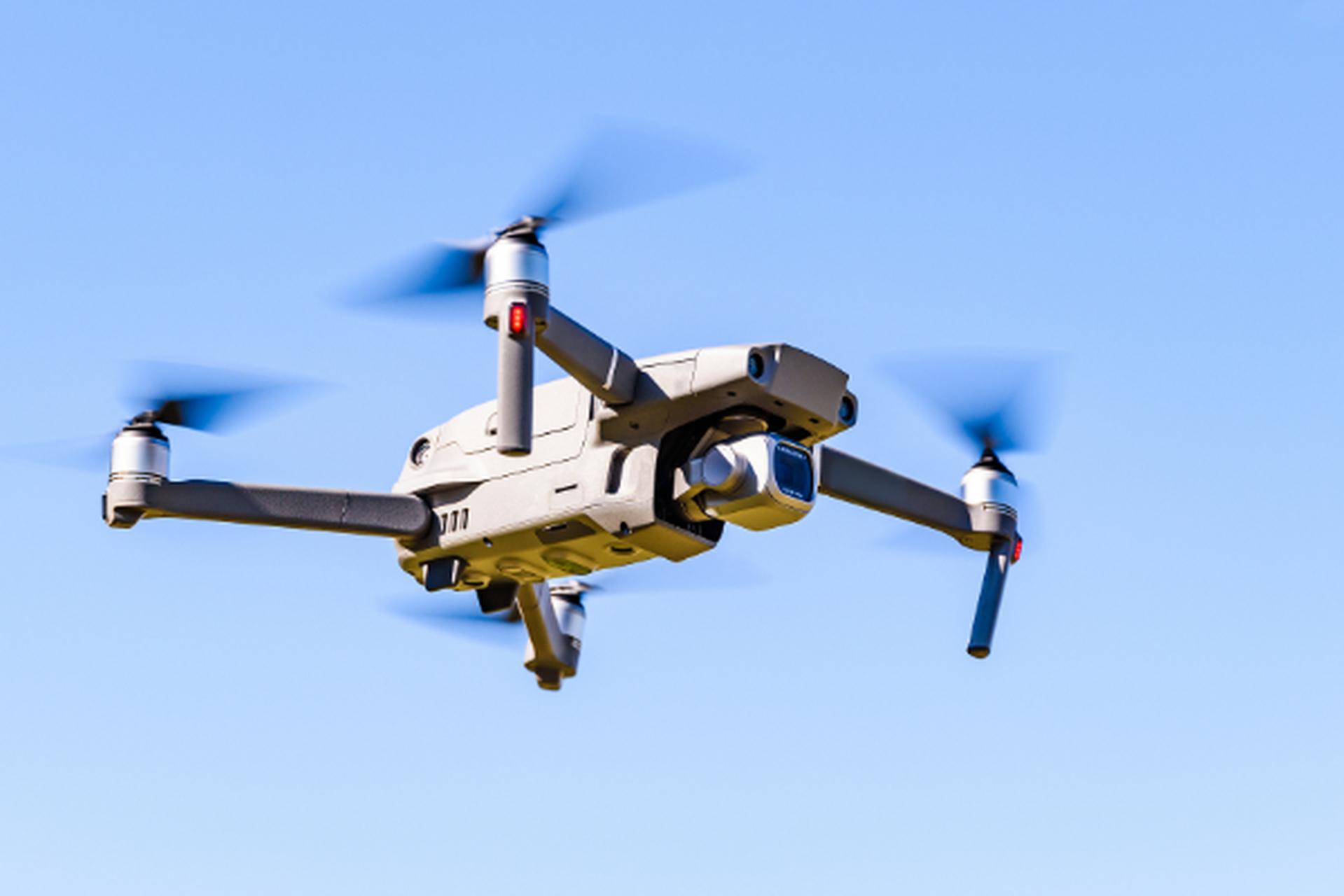
Ordinary players should not think that this has nothing to do with them. Authentication is directly related to the safety of use. Certified drones have wireless transmission parameters that have been tested and will not interfere with important signals such as airport communications and surrounding base stations. If you purchase an uncertified product, you may experience flight malfunctions due to unstable signals, or even accidentally interfere with public signals, thus getting yourself into trouble instead.
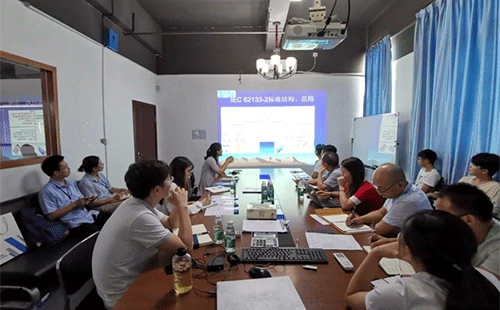
The process is also very clear and consists of four steps: First, submit the filing to SRRC, fill in the product technical parameters, and pay the filing fee; After the filing is approved, send the drone to a nationally recognized testing institution for testing to check indicators such as frequency band and power. After passing the test, submit the report and apply for certification. Once the final review is passed, you can obtain the certificate, which is valid for five years. As long as the product has not undergone major changes, it can be renewed upon expiration. SRRC certification is not a "troublesome matter", but a necessary step to ensure market and usage safety. Whether it's merchants or players, understanding it and abiding by the rules can help avoid subsequent compliance risks.